Showing posts with label Cthulhu. Show all posts

Wednesday, February 1, 2017

The Relationship of ISTOs and Classic Literature- DC

The Relationship Between ISTOs and Classic Literature

By Derek Campbell

Literature can appear in many formats as time progresses. Although literature is mainly and mostly written works, we now live in a day and age where new media outlets can express similar ideas and beliefs (such as T.V. shows and Movies). One such outlet are ISTOs (or Interactive Storytelling Outlets). This is practically a big fancy acronym meaning story-driven video games. Those who don't know much regarding the topic might believe this is mindless entertainment for middle-aged men and people with nothing better to do, but this is not necessarily the case. Of course there are video games that are simply mindless fun with no real point, but let's not generalize all games and forget about those that tell a much more linear and dramatic tale. ISTOs can include unique story-lines, use certain literary elements, and create plot-points similar to that in a book you might read. ISTOs can be shown in mainly 3 ways.


ISTOs based directly on novels:

These are the games base on a specific story (and/or stories) near verbatim. Of course there are the obvious ISTO adaptations of popular works (such as Harry Potter, Lord of the Rings, Sherlock Holmes, and A Series of Unfortunate Events adaptations). If a book series has a strong enough fan-base and is extremely successful, an ISTO adaptation is inevitable. However, there are some ISTOs that were derived from lesser known stories and series, such as the following:


The Witcher Series:

A game series that started in 2007 and continues to this day, it is a fantasy tale of magic guilds and medieval times (think of it like Game of Thrones but with more wizards). Unbeknownst to me and probably several others, it was based on a book series by the same name. Written between 1994-1999 by Andrzej Sapkowski, this 5 book saga tells the same tale as the game, just in written form. The reason many didn't know this fact was that the novel series only received a cult following in Poland (its place of origin). However, the two platforms tell the exact same stories, the only major difference between the two is that the ISTO version contains a free-roaming element that allows you to expand the story and explore the realm.


Assassin's Creed (the first game):
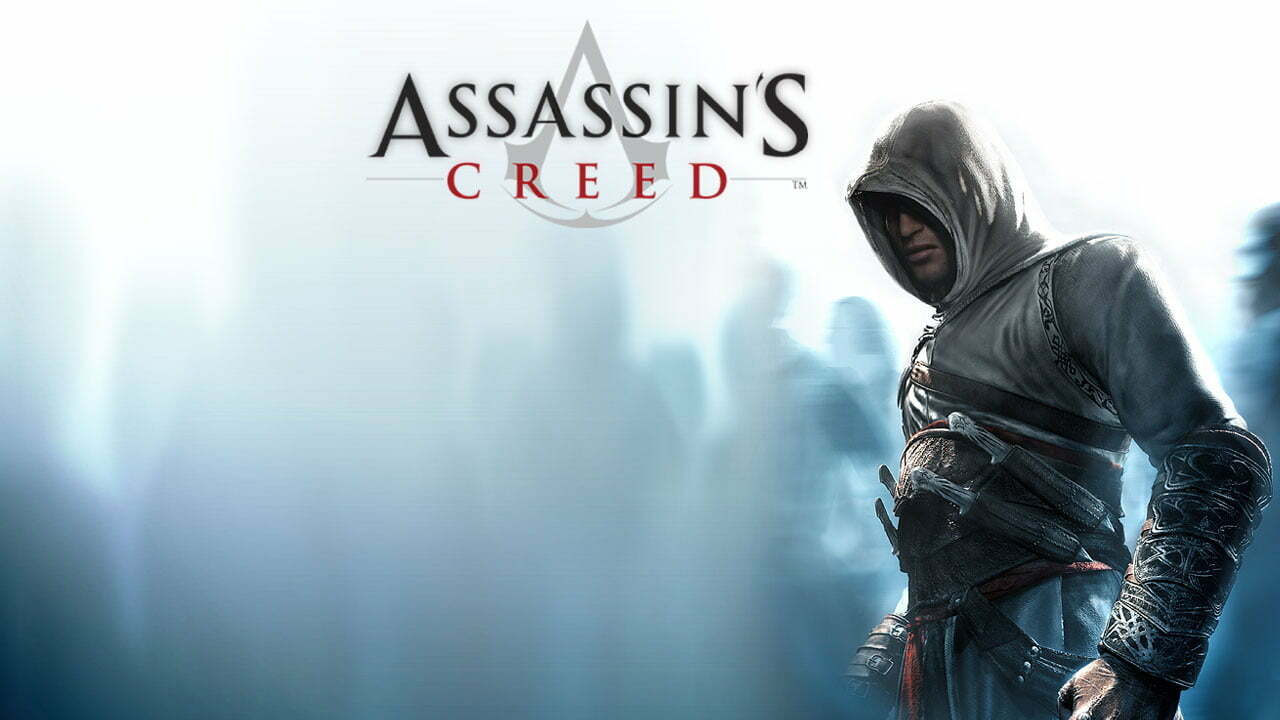
Although the game and its story is unique, most inspiration and story ideas originated from a novel (i.e. the story of Assassin's Creed is a loose adaptation). Most of the ISTO was derived from the 1938 novel Alamut by Vladimir Bartol. Rather than re-create the original story, though, Assassin's Creed took the facts and general ideas of the novel and applied then to an original story-line (much like a story to pay homage to a much older story).


ISTOs based on authors' philosophies and ideas:

Where the above takes inspiration from a single book or single saga, this category will mainly focus on adaptations from authors themselves and their ideas and collections. Most of the following ISTOs will be somewhat original and unique, but their roots can be found in the collections of a single author:


BioShock:

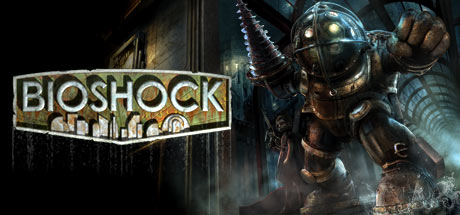
Where the other ISTOs where based on books directly, BioShock was founded by the principles and philosophies of novelist Ayn Rand. The main philosophy in BioShock is the idea of Objectivism (the belief that certain things, especially moral truths, exist independently of human knowledge or perception of them), which was the philosophical beliefs created by Ayn Rand herself. Although the story of BioShock was not created by Rand herself, her ideas and beliefs was the main sources of inspiration for this ISTO


The Dark Eye:

A strange and horror-filled PC game from 1995, the style and main story originates from the king of horror and gruesome tales (or at least in my opinion), Edgar Allen Poe. The ISTO allows the player to explore multiple POVs of three separate Poeian tales: The Tell-Tale Heart, The Cask of Amontillado, and Berenice. Although the stories are exactly the same, the interesting the thing regarding this ISTO is the fact that you can explore multiple POV of the stories, introducing the player to different outlooks and ideas about each different tale

Independent ISTOs:

In my opinion, there are some stand-alone ISTO series that creates an entirely unique story-line that should have stories written about it.  Most commonly in the RPG (Role-Playing Game) category, these ISTOs create stories and plots that could make pretty good books to read. These games use most literary elements and expand on literary devices to further enhance a story (including themes, mood, and dialogue/narration explaining the story as you progress). These include such titles as Earthbound, Chrono Trigger, and Final Fantasy (to name a few). These titles are not any different from previously listed titles, the only difference is that these titles created their own stories rather than utilize a pre-existing novel


Conclusion: 

Although some games are just for the purpose of mindless fun and a detachment from real world problems/issues, ISTOs are more complex than what meets the eye. They tell stories and possibly even inspire some to read the book it was based on. Its like watching a good movie, finding out there's a book, and feeling further inclined to read said book. ISTOs produce not only an incentive to read the source material, but also teaches us the ideas of story elements and literary devices on mass media outlets


Friday, October 21, 2016

Music and Literature:

by Derek Campbell

As most of us know, singer-songwriter Bob Dylan won the 2016 Noble Prize in Literature. This was a ground-breaking event, as he was the first musician to receive the award. It just goes to how people's interpretations of literature can go many ways. However, novels and poems are more closely related to music than what meets the eye. Here is a list of some famous artists with songs that were based upon books/poems:

- IRON MAIDEN:
Iron Maiden has been known to delve into books and historic events for song inspiration. Some of these include:

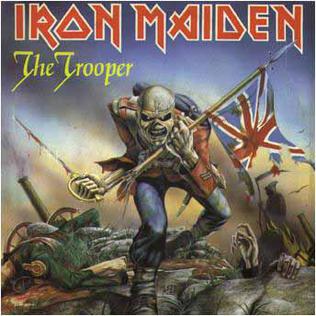
- THE TROOPER:
Released in 1983, the song is describing the Crimean War (and specifically the Battle of Balaclava). The song has also been traced to Lord Alfred Tennyson's poem The Charge of the Light Brigade, to which both describe the Brave 600 English soldiers who marched into the gruesome and brutal battle who made the decision to die for their country
Image result for charge of the light brigadeImage result for iron maiden the trooper


- BRAVE NEW WORLD:
Delving into the realm of science fiction, the main inspiration of this song was Brave New World, a 1932 classic from author Aldous Huxley. Both describe a futuristic, totalitarian pseudo-utopia/dystopia in London. Apparently, Lead singer of iron maiden Bruce Dickinson reread the book and decided to make a song about it. Fun fact, the title "Brave New World" can be traced to Shakespeare's last play ( The Tempest, 1612) "How beauteous mankind is! O brave new world, that has such people in't!"


Image result for brave new world bookImage result for brave new world album


-METALLICA:
Metallica is a heavy metal band that started in the 80's, but just because the music's loud doesn't mean there isn't meaning in the songs. Some of which include:

-ONE: 
Released on the album ...AND JUSTICE FOR ALL, this is my all-time favorite song from that album. It is a story about a soldier in war who has a mortar go off in his face. He survives, but sadly with out arms or legs and he also loses the ability to hear, see, taste, and smell. Wondering what kind of life this is, he uses morse code to spell out the words "K-I-L-L-_-M-E...". James Hetfield (guitarist, vocalist, and songwriter) based this song on Dalton Trumbo's novel Johnny Got His Gun. In fact, there is one line passage in particular that I believe represent the message of the song perfectly:

Image result for one metallicaImage result for johnny got his gun

"How could a man lose as much of himself as I have and still live? When a man buys a lottery ticket you never expect him to win because it's a million to one shot. But if he does win, you'll believe it because one in a million still leaves one. If I'd read about a guy like me in the paper I wouldn't believe it, cos it's a million to one. But a million to ONE always leaves one. I'd never expect it to happen to me because the odds of it happening are a million to one. But a million to one always leaves one. One"

-THE CALL OF KTULU/THING THAT SHOULD NOT BE:
Although these are two separate songs, they both take from the same piece of literature. Metallica has made it known that popular horror author H.P. Lovecraft was a large influence to the band, and these songs are a way of honoring the author. Both of these songs are based on one of Lovecraft's most famous novels The Call of Cthulhu. The story is about a man and his uncovering of notes about a mysterious underwater deity known as Cthulhu, and then the horror that follows. The first song (which goes by a similar title) is entirely instrumental, but the title itself reveals something. The book states that mentioning the name Cthulhu will bring him closer, which is why the "Ktulu" is purposely misspelled (for fear of the beast). The second song, Thing That Should Not Be, is paying homage to the character Cthulhu (still avoiding the word itself in the song/title). This can be seen in the main chorus of the song:

Insanity
He watches
Lurking beneath the sea
Great old one
Forbidden site
He searches
Hunter of the shadows is rising
Immortal
In madness you dwell

(the shadow rising is also based on a Lovecraft story, The Shadow over Innsmouth)


Image result for call of cthulhu novelImage result for ride the lightningImage result for master of puppet


-FOR WHOM THE BELL TOLLS
This Metallica classic is a song about the futility of war and directly relates to Ernest Hemingway's novel For Whom the Bell Tolls (which was based on a poem from 1623 by John Doone). The novel is about an American sent to take out a bridge under the control of a Fascist Army during the Spanish Civil War (which is evident in the song)
Image result for for whom the bell tollsImage result for ride the lightning


-RUSH:
Rush is oldest out of all the previously listed bands and said to be a major inspiration to them. Their songs are powerful, and usually contain something of a message ins them. Examples include:

- 2112:
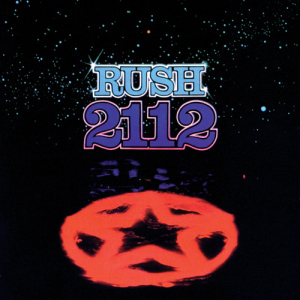
This song is a seven part anthem that is approximately 20 mins long, and tells a story in different parts (much like chapters in a book). This song itself can be called a short story (as the printed version of the song contains unsung narration) and highly suggest listening to it and reading the story. This song was supposedly inspired by the novella Anthem by Ayn Rand (which tells the story of dystopian future and another dark age, similar to that in the song
Image result for anthem bookImage result for 2112


- THE STARS LOOK DOWN:
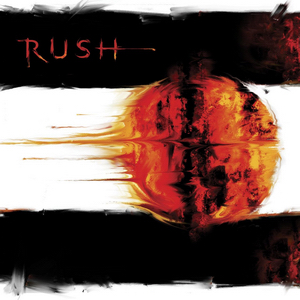
A more depressing and unsatisfying tale, this is based on the novel The Stars Look Down by A.J. Cronin. It tells the story of a pre-WW1 miner actively seeking change in his dangerous occupation, but loses hi battle for change and parliament and his wife in the process (to which the miner continues his work as a miner, defeated). This song was written by the band's drummer Neal Peart, to which he took this personally (as he had lost his wife to cancer), issuing the statement "This seemed to express a fitting view of an uncaring universe."
Image result for vapor trails albumImage result for the stars look down book


-TOM SAWYER:
This is a song based on Mark Twain's novel by the same name (really doesn't need an explantation)
Image result for tom sawyerImage result for spirit of the radio
And there are many more songs like this out their. It just goes to show you that some songs aren't just words, and that you way need to pick up a book to fully comprehend the meaning of a song...