The Relationship Between ISTOs and Classic Literature
By Derek Campbell
Literature can appear in many formats as time progresses. Although literature is mainly and mostly written works, we now live in a day and age where new media outlets can express similar ideas and beliefs (such as T.V. shows and Movies). One such outlet are ISTOs (or Interactive Storytelling Outlets). This is practically a big fancy acronym meaning story-driven video games. Those who don't know much regarding the topic might believe this is mindless entertainment for middle-aged men and people with nothing better to do, but this is not necessarily the case. Of course there are video games that are simply mindless fun with no real point, but let's not generalize all games and forget about those that tell a much more linear and dramatic tale. ISTOs can include unique story-lines, use certain literary elements, and create plot-points similar to that in a book you might read. ISTOs can be shown in mainly 3 ways.
These are the games base on a specific story (and/or stories) near verbatim. Of course there are the obvious ISTO adaptations of popular works (such as Harry Potter, Lord of the Rings, Sherlock Holmes, and A Series of Unfortunate Events adaptations). If a book series has a strong enough fan-base and is extremely successful, an ISTO adaptation is inevitable. However, there are some ISTOs that were derived from lesser known stories and series, such as the following:ISTOs based directly on novels:
The Witcher Series:
A game series that started in 2007 and continues to this day, it is a fantasy tale of magic guilds and medieval times (think of it like Game of Thrones but with more wizards). Unbeknownst to me and probably several others, it was based on a book series by the same name. Written between 1994-1999 by Andrzej Sapkowski, this 5 book saga tells the same tale as the game, just in written form. The reason many didn't know this fact was that the novel series only received a cult following in Poland (its place of origin). However, the two platforms tell the exact same stories, the only major difference between the two is that the ISTO version contains a free-roaming element that allows you to expand the story and explore the realm.
Assassin's Creed (the first game):
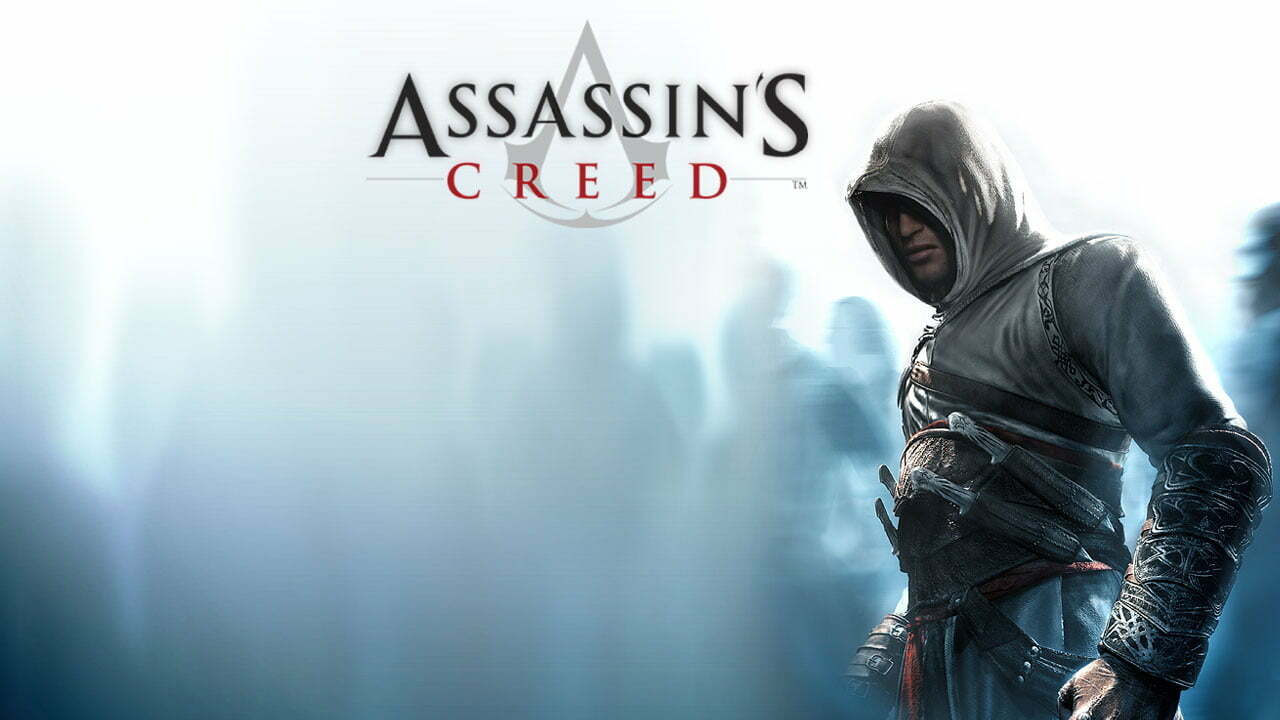 Although the game and its story is unique, most inspiration and story ideas originated from a novel (i.e. the story of Assassin's Creed is a loose adaptation). Most of the ISTO was derived from the 1938 novel Alamut by Vladimir Bartol. Rather than re-create the original story, though, Assassin's Creed took the facts and general ideas of the novel and applied then to an original story-line (much like a story to pay homage to a much older story).
ISTOs based on authors' philosophies and ideas:
Where the above takes inspiration from a single book or single saga, this category will mainly focus on adaptations from authors themselves and their ideas and collections. Most of the following ISTOs will be somewhat original and unique, but their roots can be found in the collections of a single author:BioShock:
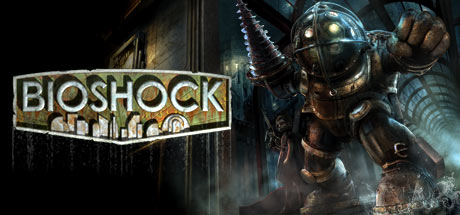 Where the other ISTOs where based on books directly, BioShock was founded by the principles and philosophies of novelist Ayn Rand. The main philosophy in BioShock is the idea of Objectivism (the belief that certain things, especially moral truths, exist independently of human knowledge or perception of them), which was the philosophical beliefs created by Ayn Rand herself. Although the story of BioShock was not created by Rand herself, her ideas and beliefs was the main sources of inspiration for this ISTO
The Dark Eye:
A strange and horror-filled PC game from 1995, the style and main story originates from the king of horror and gruesome tales (or at least in my opinion), Edgar Allen Poe. The ISTO allows the player to explore multiple POVs of three separate Poeian tales: The Tell-Tale Heart, The Cask of Amontillado, and Berenice. Although the stories are exactly the same, the interesting the thing regarding this ISTO is the fact that you can explore multiple POV of the stories, introducing the player to different outlooks and ideas about each different tale
Independent ISTOs:
In my opinion, there are some stand-alone ISTO series that creates an entirely unique story-line that should have stories written about it. Most commonly in the RPG (Role-Playing Game) category, these ISTOs create stories and plots that could make pretty good books to read. These games use most literary elements and expand on literary devices to further enhance a story (including themes, mood, and dialogue/narration explaining the story as you progress). These include such titles as Earthbound, Chrono Trigger, and Final Fantasy (to name a few). These titles are not any different from previously listed titles, the only difference is that these titles created their own stories rather than utilize a pre-existing novel


