Music and Literature 2: The List Continues
By Derek Campbell
The relationship between music and literature is one with extremely faded borders, constantly overlapping with each other. Here are 5 more examples of music/book cross-overs (as a continuation from the previous list)Among the Living:
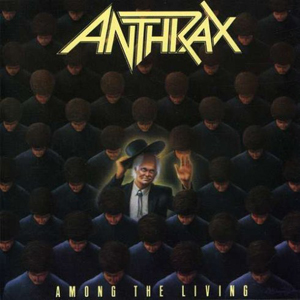
Being released by thrash metal band Anthrax in 1987, this song was reportedly based upon Stephen King's critically acclaimed novel The Stand. With the novel being published in 1978, the story describes a post apocalyptic future struggling under a new super influenza virus (also known as "Captain Trips"), and focuses on a small group of survivors in an area called the "Free Zone". The song constantly refers to the novel and alludes to it often. Even the first line of the song is: "Disease! Disease! Spreading the disease. With some help from Captain Trips".

Misery loves Company:
Another song by Anthrax (released in 1988), which also happens to be based on a King classic. If the title didn't give it away, this song was based upon the 1987 psychological horror story Misery. The story revolves around fictional author Paul Sheldon, who gets caught in a snow-storm and kidnapped by his supposed number 1 fan, Annie Wilkes. What proceeds is a shocking and gut-wrenching tale of a deranged psychopath and her captive writer, with copious amounts of torture filling every nook and cranny of the book (like breaking legs with a sledgehammer). Although the song does not directly refer to Paul or Annie, with lines like "I'm your number one fan, Misery loves company, Die with me", and "You know me, and I can be, A very, very vicious critic", it's obvious where the source material for the song came from.


Behind the Wall of Sleep :
A staple in metal history and classic, Behind the Wall of Sleep is an amazing Black Sabbath song released 47 years ago (relaxed in 1970). However, the inspiration for this song came 51 years before that, in the form of H.P. Lovecraft's short story Beyond the Wall of Sleep. The story describes the experiences of a mental hospital intern with criminally insane patient Joe Slater. Slater had many visions of light beings and fantastic stories, which was shown to the intern through a telepathic communicator. Slater eventually dies and becomes a "star" (you have to read it to truly comprehend it). The song constantly uses phrases such as "Visions cupped within a flower", "Feel your spirit rise with the breeze, Feel your body falling to it's knees", and "Sun shines in you have awoken", which relate to the story itself.

:format(jpeg):mode_rgb():quality(40)/discogs-images/R-462466-1464284643-3601.jpeg.jpg)
Lord of the Flies:
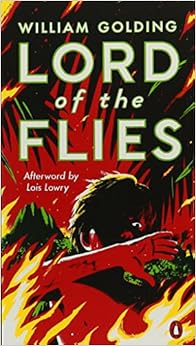
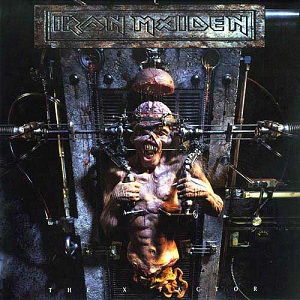
Released by Iron Maiden in 1995, it is obvious to see that this was based on William Golding. I won't go into plot, as there are already countless blogs about Lord of the Flies. The entire song itself is a basic retelling of the story, but one of the most important part of the song comes in when this line is sung: "Saints and sinners, Something within us, We are lord of the flies". Not only does the song maintain the story, but it's evident that it retains themes and messages, exploring the idea that the Lord of the Flies is not a physical being, but one that is within all of us.
Phantom of the Opera:
Another song with obvious origins, this 1980 Iron Maiden classic was based upon Gaston Leroux's 1909 classic novel and play of the same name. Again, considering the wide range Phantom of the Opera has, there is really no need to explain the story (its basically the story of desire and deformities). One important thing I would like to note is that the song is written in first person from the perspective of Christine Daaé, rather than the third person style of the novel.

_cover.jpg)
And there are plenty more songs out there that directly tell the story of or relate to novels. This further solidifies the relation of books and music, and shows how humans can experience the same story in extremely different ways.


/cdn0.vox-cdn.com/uploads/chorus_asset/file/6046307/james-franco-11-22-63-hulu.0.jpg)